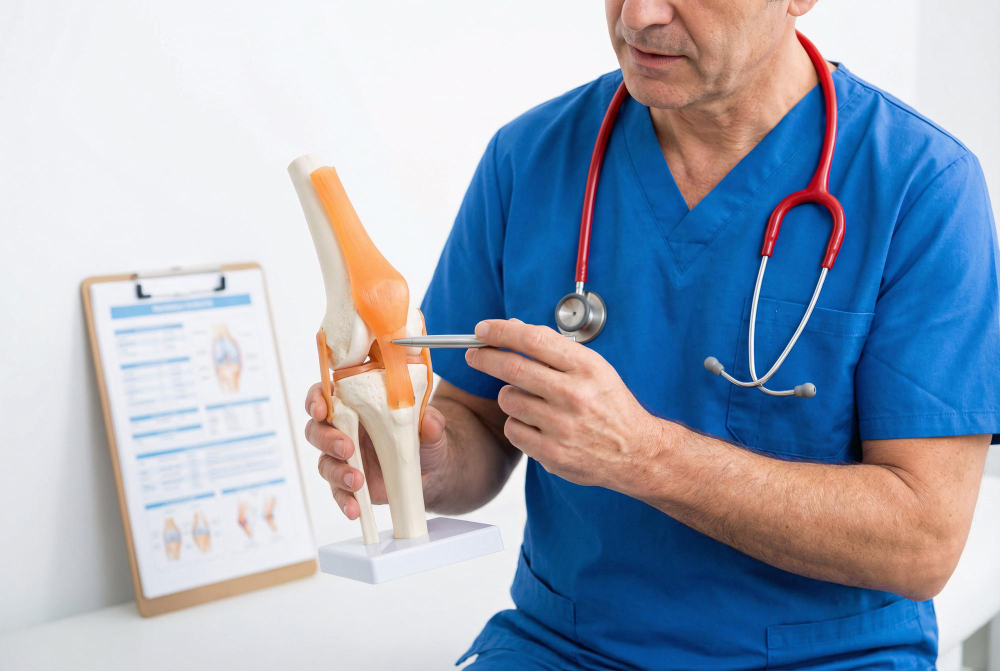
Introduction to Knee Replacement Surgery
Knee replacement surgery is a common treatment for severe knee pain. Many people choose this option when other knee pain treatments do not help. During the procedure, a surgeon replaces damaged parts of the knee with artificial parts. As a result, many patients feel less pain and move better. According to the CDC, over 600,000 knee replacements are done each year in the United States.
Symptoms and Conditions Leading to Knee Replacement
Often, knee replacement surgery is needed when pain or stiffness limits daily life. For example, you may struggle to walk, climb stairs, or even rest comfortably. Common symptoms and conditions include:
Causes and Risk Factors
Many factors can lead to knee problems. Most often, knee pain comes from wear and tear over time. However, some people have knee injuries or diseases that damage the joint. Key causes and risk factors include:
Because these factors can add up, it is important to talk to your doctor if you notice ongoing knee pain.
Diagnosis and When Surgery Is Recommended
Doctors use several steps to decide if knee replacement surgery is needed. First, they ask about your symptoms and medical history. Next, they check your knee and may order X-rays or MRI scans. These tests show how much damage is present. Usually, surgery is recommended when:
For many, seeing an orthopedic surgeon helps make the right decision.
Types of Knee Replacement Procedures
There are different types of knee replacement surgery. Your doctor will choose the best one for you. The main types include:
Each type has its own benefits and recovery times. Therefore, your doctor will explain which is best for your needs.
The Surgical Process: What to Expect
Before surgery, you will meet with your care team. They will explain the steps and answer your questions. On the day of surgery, you will receive anesthesia to keep you comfortable. The surgeon will then remove damaged bone and cartilage. Next, they place the new artificial parts. Most surgeries take one to two hours. After surgery, you will spend some time in recovery. Nurses will check your progress and help manage pain.
Recovery and Rehabilitation
Recovery from knee replacement surgery takes time. However, most people start moving their knee soon after surgery. Physical therapy is a key part of recovery. It helps you regain strength and movement. Here is what you can expect:
Because everyone heals differently, your doctor will guide your recovery plan.
Benefits and Potential Risks
Knee replacement surgery offers many benefits. For example, most people feel less pain and move more easily. Other benefits include:
However, all surgeries have risks. Possible risks include:
Although these risks are rare, your surgeon will discuss them with you before surgery.
Lifestyle Tips for Better Outcomes
After knee replacement, healthy habits can help you recover faster. For instance, you can:
Because every step counts, small changes can make a big difference in your recovery.
Prevention and Long-Term Care
While not all knee problems can be prevented, some steps may help. For example, you can:
With good long-term care, your new knee can last many years. Regular check-ups with your orthopedic surgeon are important for monitoring your progress.
Conclusion
Knee replacement surgery can relieve pain and improve your life. However, it is important to know what to expect and follow your care plan. Consult an orthopedic specialist Dr Gaurav Khanted to discuss if knee replacement surgery is right for you.