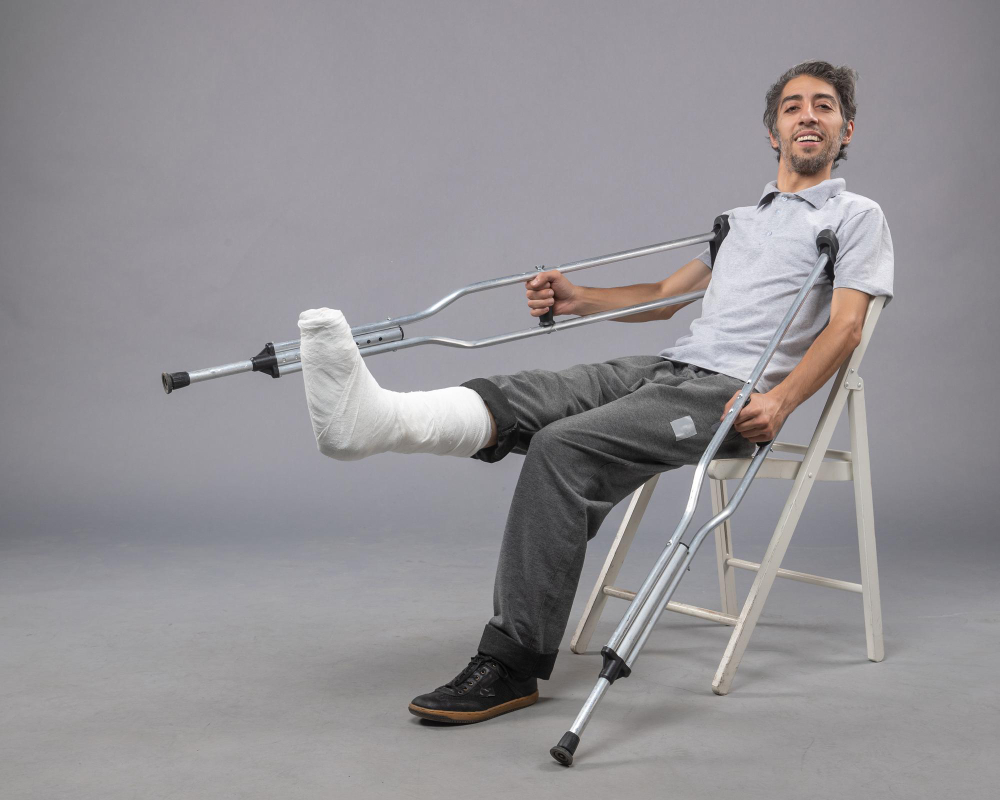
Introduction to Joint Fracture Recovery
Joint fracture recovery is a journey that starts with an injury and ends with regaining movement. When a bone near a joint breaks, it can affect how you move and feel. Early care and the right treatment help you heal after a joint fracture. Because joints are important for daily tasks, proper recovery is key. In many cases, orthopedic fracture care can make a big difference.
Common Causes of Joint Fractures
Many things can lead to a joint fracture. For example, a fall or a direct blow can break a bone near a joint. Sometimes, sports injuries or car accidents are the cause. In older adults, weak bones from osteoporosis may also lead to fractures. Knowing these causes can help you stay alert and safe.
Recognizing Symptoms of Joint Fractures
It is important to spot the signs of a joint fracture early. Often, pain is the first symptom. However, other signs can appear too. For instance, you may notice swelling or bruising. Sometimes, the joint looks out of place or you cannot move it. If you see these symptoms, seek care right away.
Diagnosis: How Joint Fractures Are Identified
Doctors use several steps to diagnose a joint fracture. First, they ask about how the injury happened. Next, they check the joint for pain, swelling, or movement problems. Usually, an X-ray is needed to see the broken bone. Sometimes, a CT scan or MRI gives more detail. Early diagnosis helps start the right treatment and improves healing after joint fracture.
Treatment Options for Joint Fractures
Treatment depends on how bad the fracture is. In many cases, doctors use a cast or splint to keep the joint still. This helps the bone heal in the right place. Sometimes, surgery is needed to fix the bone with metal plates or screws. Physical therapy often follows to restore movement. Your orthopedic fracture care team will guide you at each step.
The Recovery Process: From Immobilization to Mobility
Recovery after a joint fracture happens in stages. At first, the joint is kept still to let the bone heal. This stage may last a few weeks. After that, gentle movement starts to prevent stiffness. As healing continues, more exercises help you regain mobility after fracture. With time, you can return to daily activities. However, always follow your doctor’s advice for safe healing.
Tips for a Smooth Recovery and Regaining Mobility
There are steps you can take to support joint fracture recovery. For example, follow your care plan closely. In addition, eat healthy foods rich in calcium and vitamin D. Staying active, as advised, helps prevent stiffness. If you feel pain or swelling, rest and use ice packs. Moreover, keep all follow-up visits with your doctor.
Prevention of Future Joint Fractures
Preventing another joint fracture is possible with a few changes. For instance, keep your home free of tripping hazards. Wearing proper shoes can help prevent falls. If you play sports, use safety gear. Also, regular exercise keeps your bones and muscles strong. In older adults, bone health checks are important.
When to Consult an Orthopedic Specialist
Sometimes, joint fractures need expert care. If pain, swelling, or movement problems do not improve, see a specialist. Also, if you notice redness, fever, or drainage, get help right away. Early care from an orthopedic specialist can speed up healing and prevent problems. In many cities, you can find joint fracture recovery clinics for expert advice.
For the best results, consult Dr Gaurav Khanted for personalized guidance on joint fracture recovery.