Introduction
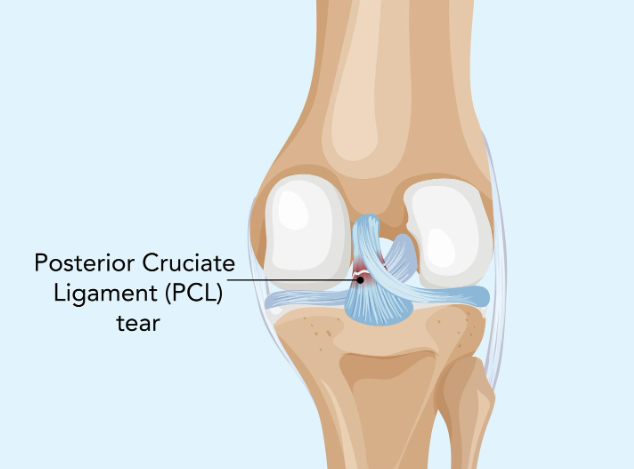
The posterior cruciate ligament (PCL) is a strong band in your knee. It helps keep your knee stable. Sometimes, an injury can tear the PCL. In many cases, doctors suggest arthroscopic PCL reconstruction surgery. This minimally invasive knee surgery repairs the ligament using small cuts and a camera. As a result, patients often heal faster and have less pain. In this blog, you will learn about symptoms, treatment options, recovery, and when to seek orthopedic surgeon advice.
Symptoms and Diagnosis of PCL Injuries
PCL injuries can happen during sports, falls, or car accidents. Often, people do not notice the injury right away. However, some common symptoms include:
Doctors use a physical exam and imaging tests, such as MRI or X-rays, to diagnose a PCL injury. Early diagnosis helps guide the best PCL injury treatment options.
What is Arthroscopic PCL Reconstruction Surgery?
Arthroscopic PCL reconstruction surgery is a modern way to fix a torn PCL. Instead of making a large cut, the surgeon uses a tiny camera and special tools. This approach is called minimally invasive knee surgery. Because the cuts are small, patients often recover faster and have less scarring. The surgeon replaces the damaged ligament with a new one, often using tissue from your own body or a donor.
Indications for Surgery
Not every PCL injury needs surgery. However, doctors may suggest arthroscopic PCL reconstruction if:
In some cases, athletes or active people may need surgery to return to sports safely.
The Surgical Procedure: Step-by-Step Overview
Understanding the steps of arthroscopic PCL reconstruction can ease your worries. Here is what usually happens:
This surgery often takes one to two hours. Because it is minimally invasive, most patients go home the same day.
Recovery and Rehabilitation
After surgery, recovery is important. At first, you may need crutches or a knee brace. Physical therapy starts soon to help you regain strength and movement. Recovery time can vary, but many people return to normal activities in six to twelve months. For a smooth arthroscopic PCL reconstruction recovery, follow your doctor’s advice closely. Regular check-ups help track your progress and prevent problems.
Risks and Potential Complications
Like any surgery, arthroscopic PCL reconstruction has some risks. However, most people recover well. Possible complications include:
Because these risks are low, most patients have good results. Still, it is important to watch for signs of infection, such as fever or redness.
Tips for a Smooth Recovery
To help your knee heal well, consider these tips:
Additionally, always ask your orthopedic surgeon for advice if you have concerns.
Prevention and Lifestyle Guidance
After recovery, you can take steps to protect your knee. For example, warm up before exercise and use proper sports gear. Also, keep your leg muscles strong with regular exercise. If you play contact sports, learn safe techniques to avoid knee injuries. Maintaining a healthy weight can also reduce stress on your knees.
When to Consult an Orthopedic Surgeon
If you have knee pain, swelling, or instability, do not wait. Early treatment can prevent further damage. In addition, if you have tried rest and therapy but still have symptoms, see an orthopedic surgeon. They can explain your PCL injury treatment options, including whether arthroscopic PCL reconstruction surgery is right for you.
For personalized guidance on PCL reconstruction surgery, consult an orthopedic specialist Dr Gaurav Khanted . Your doctor can help you choose the best path to recovery and a healthy, active life.