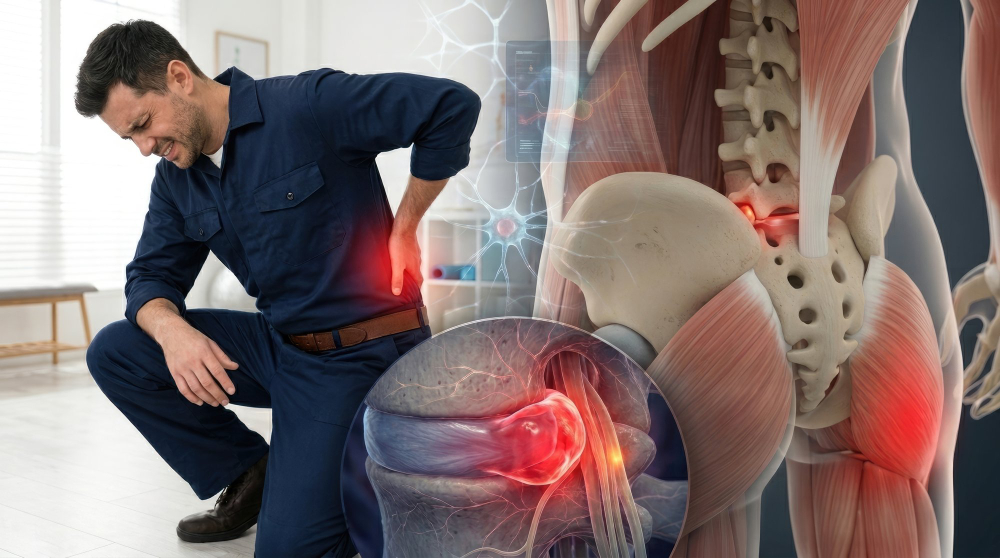
What Are Hidden Hip Problems?
Many people feel pain in their knee and think the problem is only there. However, hidden hip problems can sometimes cause pain that shows up in the knee instead. In fact, doctors often see cases where hip pain is mistaken for knee pain. This happens because nerves from the hip and knee are closely linked. As a result, pain from one area can travel to the other. According to the CDC, joint pain is common, but its true source is not always clear.
How Hip Issues Can Cause Knee Pain
Sometimes, pain in the knee starts from an issue in the hip joint. For example, when the hip joint is stiff or injured, it can change the way you walk. This change puts extra stress on the knee. Over time, the knee may start to hurt, even though the real problem is in the hip. Additionally, nerves that run from the hip to the knee can send pain signals to the knee area. Because of this, doctors call it “referred pain.” Studies in orthopedic journals show that up to 20% of knee pain in adults may come from the hip.
Common Symptoms to Watch For
It is important to know the signs of hip joint problems symptoms, especially if you have knee pain that will not go away. While knee pain is the main complaint, other symptoms may suggest a hidden hip problem. For example:
Sometimes, you may also notice limping or trouble standing up from a chair. If these symptoms appear, it is wise to tell your doctor.
Causes and Risk Factors
There are several orthopedic causes of knee pain that actually start in the hip. For instance, arthritis in the hip joint is a leading cause. Other causes include hip labral tears, muscle strains, and injuries from sports or falls. In addition, some people are born with hip shapes that make problems more likely. Risk factors include:
Because these risks vary, your doctor will look at your health history and lifestyle.
Diagnosis: How Doctors Identify Hip-Related Knee Pain
Doctors use several steps to find out if knee pain is really from the hip. First, they ask about your symptoms and health history. Next, they do a physical exam to check how your hip and knee move. Sometimes, doctors use X-rays or MRI scans to look for hidden hip problems. In some cases, they may use special tests, such as moving your hip in certain ways to see if it causes knee pain. According to the American Academy of Orthopaedic Surgeons, early diagnosis helps prevent further joint damage.
Treatment Options
Treatment depends on the cause of your pain. Often, doctors start with simple steps. For example, they may suggest:
In some cases, doctors may recommend injections or surgery. However, most people feel better with non-surgical care. If you live in a city with orthopedic clinics, you may have more treatment choices nearby.
Lifestyle Tips for Managing Hip and Knee Pain
There are many ways to help manage pain at home. For instance, you can:
Additionally, listening to your body and resting when needed can prevent pain from getting worse.
Prevention Strategies
While not all hip problems can be prevented, some steps may lower your risk. For example:
Because early care can stop problems from getting worse, regular check-ups are helpful, consult Dr Gaurav Khanted.